Research peptides have become an important part of modern scientific and laboratory research. As interest in peptide-related studies continues to grow, many researchers are looking to better understand what peptides are, how they are used in research environments, and why quality is so important when sourcing these compounds.
This beginner's guide provides an overview of research peptides, their role in scientific studies, and the factors researchers should consider when selecting a trusted supplier.
What Are Peptides?
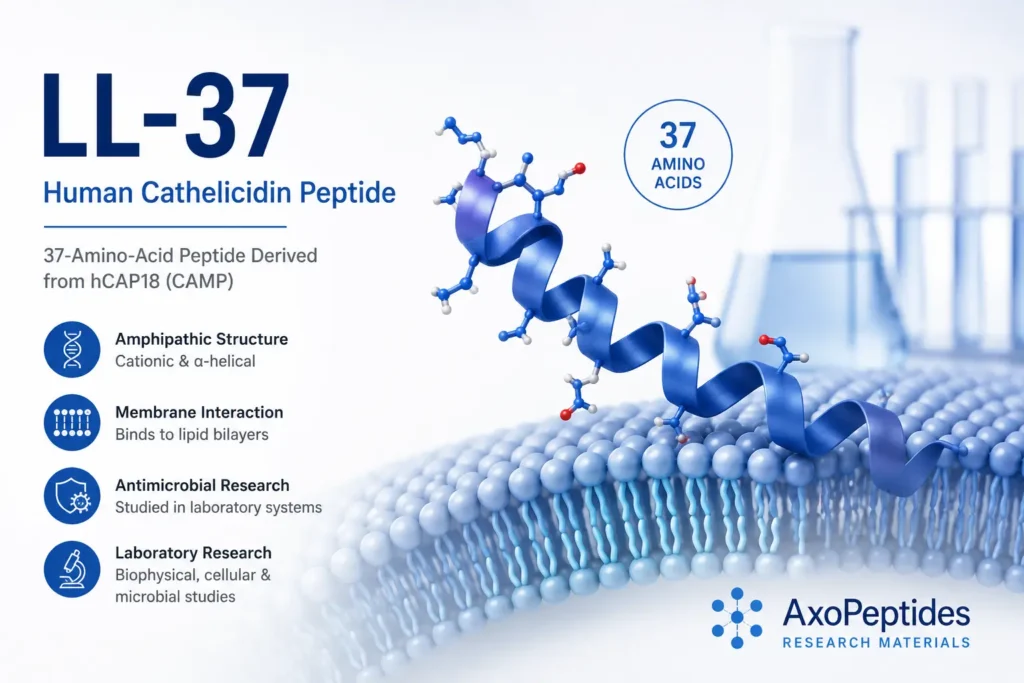
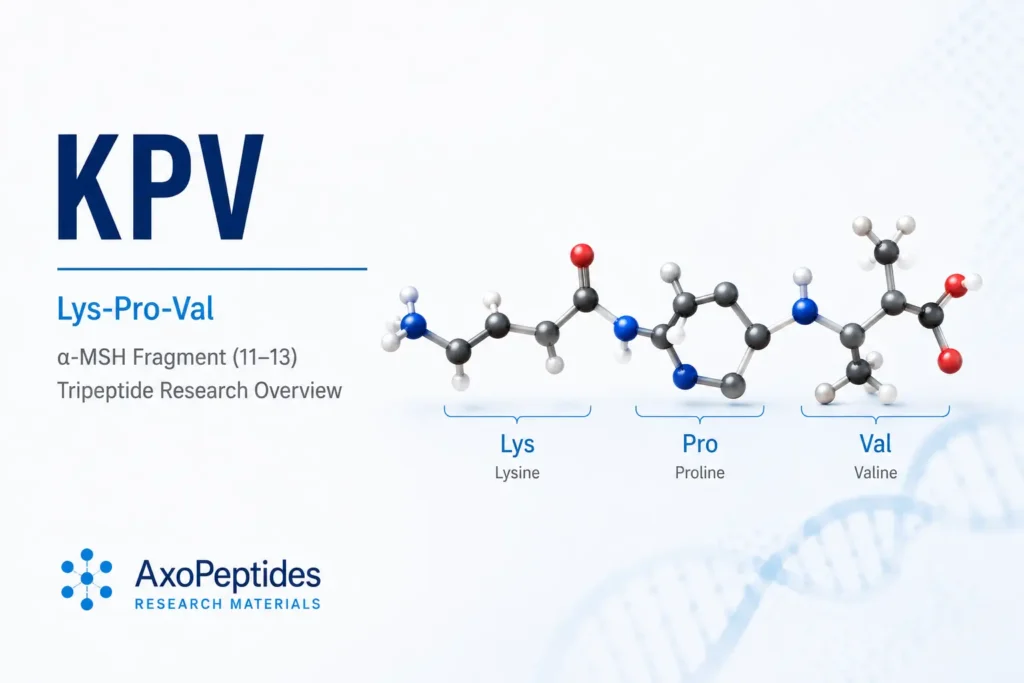
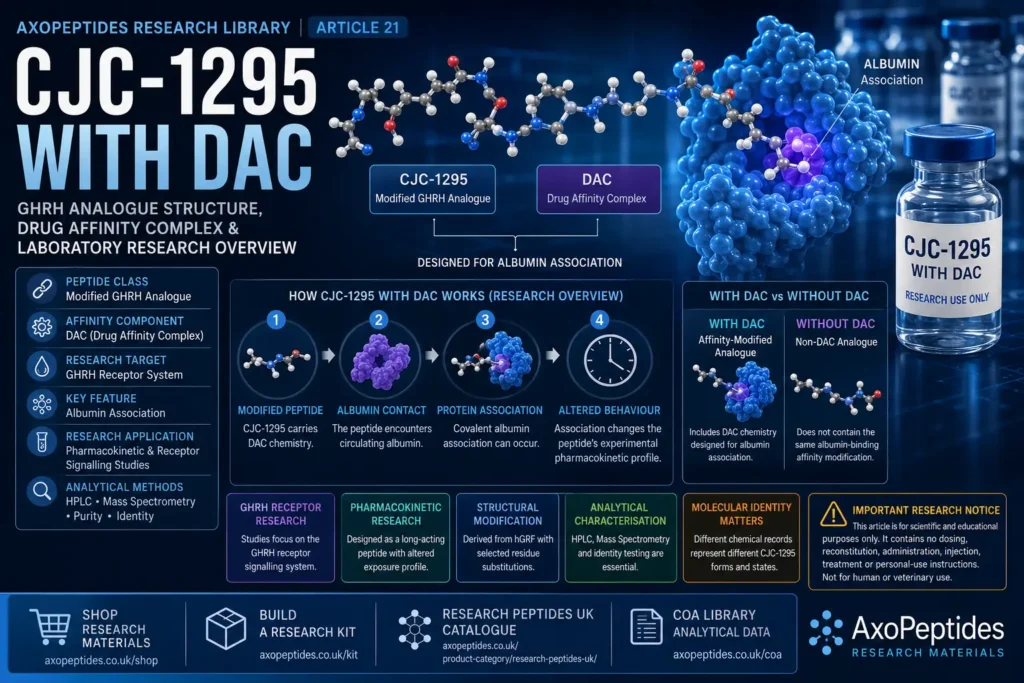
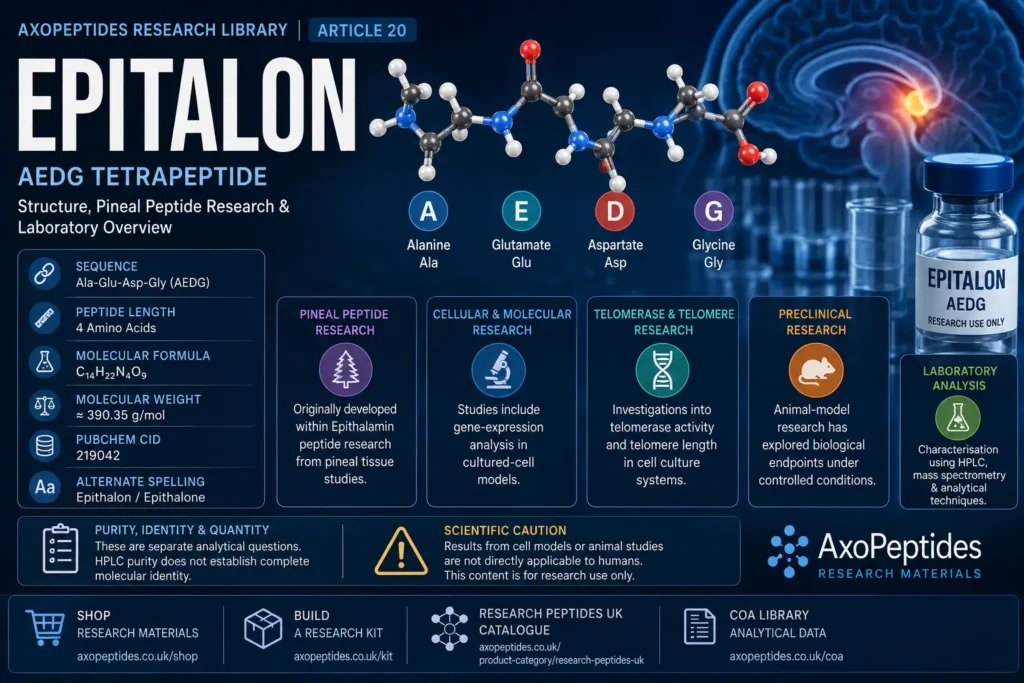
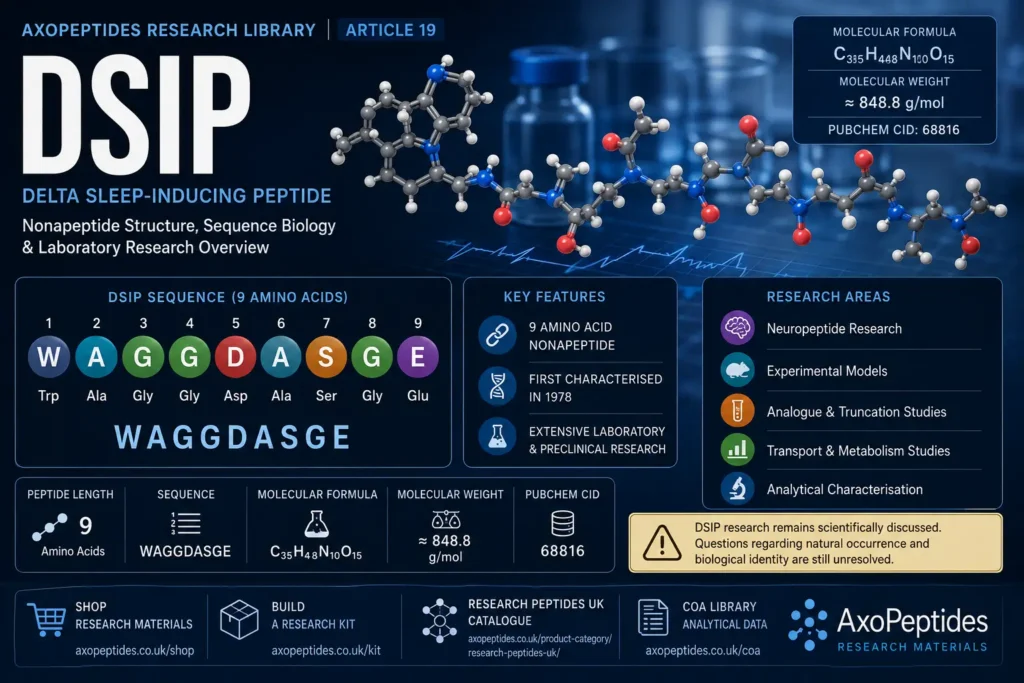
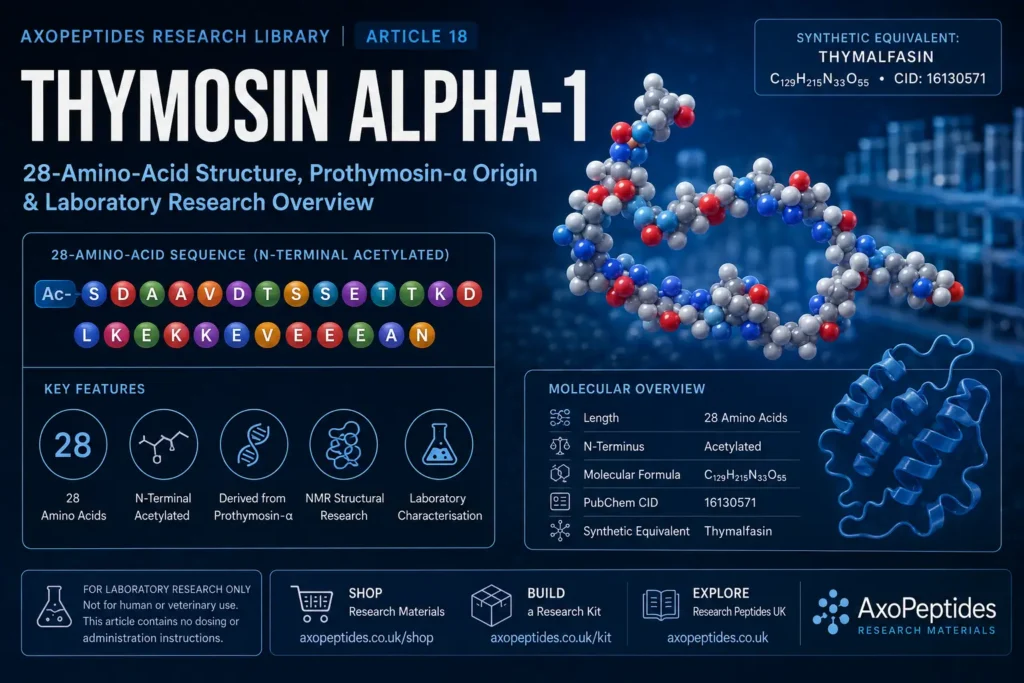
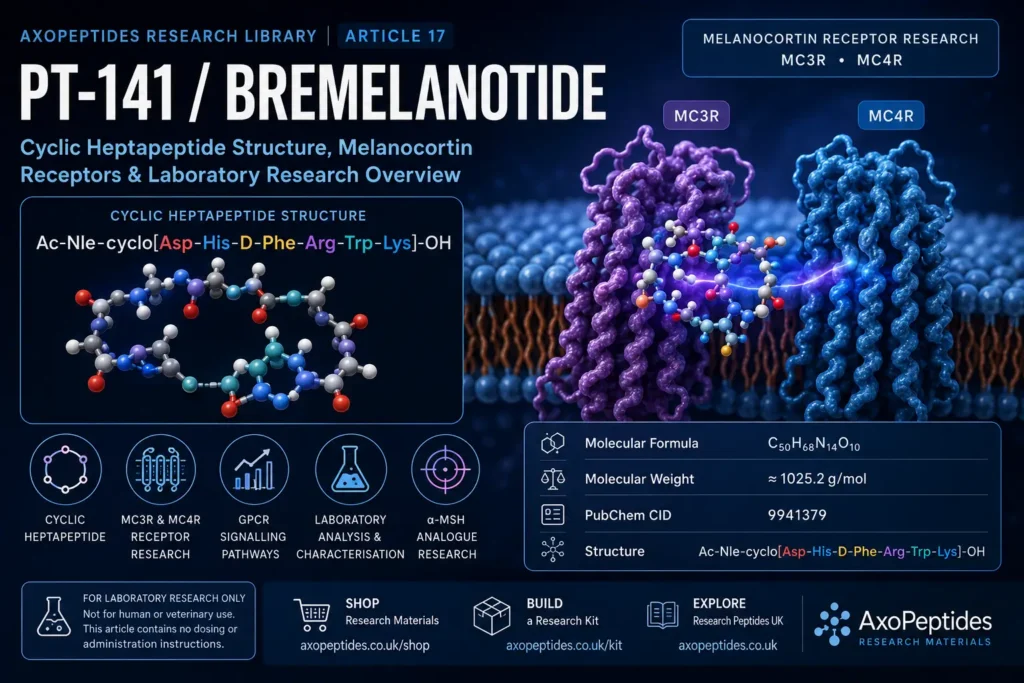
Peptides are short chains of amino acids linked together by peptide bonds. Amino acids are often referred to as the building blocks of proteins, and peptides can be thought of as smaller versions of proteins. Depending on their structure and composition, peptides may serve a variety of biological functions.
In scientific research, peptides are commonly studied to better understand biological processes, molecular interactions, and cellular functions. Their unique characteristics make them valuable tools across numerous research disciplines.
Why Are Research Peptides Important?
Research peptides are widely used in laboratory settings because they allow scientists to investigate specific biological mechanisms. Researchers use peptide compounds in controlled studies to explore how biological systems function and interact.
As scientific understanding continues to advance, peptides remain an important area of interest due to their versatility and broad research applications.
Common Areas of Peptide Research
- Cellular and molecular biology studies
- Biochemical research
- Protein interaction studies
- Laboratory-based scientific investigations
- Academic and educational research
- Experimental research projects
- Biotechnology and life science studies
The Importance of Product Quality
One of the most important considerations when purchasing research peptides is quality. Reliable research depends on consistency, accuracy, and transparency. High-quality materials help researchers maintain confidence in their studies and improve the reliability of research outcomes.
A trusted supplier should prioritize sourcing, quality control, product documentation, and customer support. These factors help ensure researchers receive products that meet established quality standards.
Understanding Certificates of Analysis (COAs)
A Certificate of Analysis (COA) is a document that provides information regarding product testing and quality verification. Many researchers review COAs before purchasing products because they offer additional transparency regarding product specifications and testing procedures.
A COA may include information such as:
- Product identification
- Batch or lot number
- Testing methodology
- Quality verification details
- Laboratory testing information
- Manufacturing and analysis data
Having access to supporting documentation allows researchers to make informed decisions and evaluate products more effectively.
How to Choose a Reliable Research Peptide Supplier
Not all suppliers maintain the same standards. Choosing a reputable supplier can make a significant difference in the overall research experience. Researchers should carefully evaluate suppliers before making a purchase.
Key Factors to Consider
- Commitment to product quality.
- Availability of Certificates of Analysis.
- Transparent product information.
- Secure online ordering.
- Professional customer support.
- Reliable shipping and dispatch services.
- Strong reputation within the research community.
- Clear policies and compliance information.
Benefits of Buying from a Trusted Supplier
Working with a reliable supplier provides several advantages. Researchers gain access to quality products, accurate information, dependable customer support, and a more streamlined purchasing process.
- Greater confidence in product quality.
- Improved transparency.
- Access to supporting documentation.
- Secure purchasing experience.
- Faster order processing and dispatch.
- Responsive customer service.
- Consistent product information.
Why Researchers Choose AxoPeptides
At AxoPeptides, our mission is to provide premium-quality research compounds supported by transparency, reliability, and customer satisfaction. We understand the importance of quality materials in scientific research and strive to maintain high standards throughout our operations.
Our commitment includes providing accurate product information, maintaining a secure ordering process, offering responsive customer support, and making supporting documentation available whenever possible.
Whether you are an experienced researcher or new to peptide research, our goal is to provide a professional and dependable experience from start to finish.
Key Takeaways
- Research peptides are short chains of amino acids used in scientific studies.
- They play an important role in laboratory and molecular research.
- Product quality and consistency are essential for reliable research.
- Certificates of Analysis help improve transparency and confidence.
- Researchers should choose suppliers that prioritize quality and customer service.
- Reliable documentation supports informed purchasing decisions.
- AxoPeptides is committed to providing premium-quality research compounds for the UK research community.
Conclusion
Research peptides continue to play an important role in scientific advancement and laboratory studies. Understanding the fundamentals of peptides, reviewing available documentation, and sourcing products from trusted suppliers can help support successful research outcomes.
By prioritizing quality, transparency, and reliability, researchers can make more informed decisions and obtain the materials needed to support their scientific objectives.
Research Use Only Disclaimer: All products sold by AxoPeptides are intended strictly for laboratory, educational, and scientific research purposes only. Products are not intended for human consumption, medical use, veterinary use, diagnosis, treatment, cure, or prevention of any disease or medical condition.